

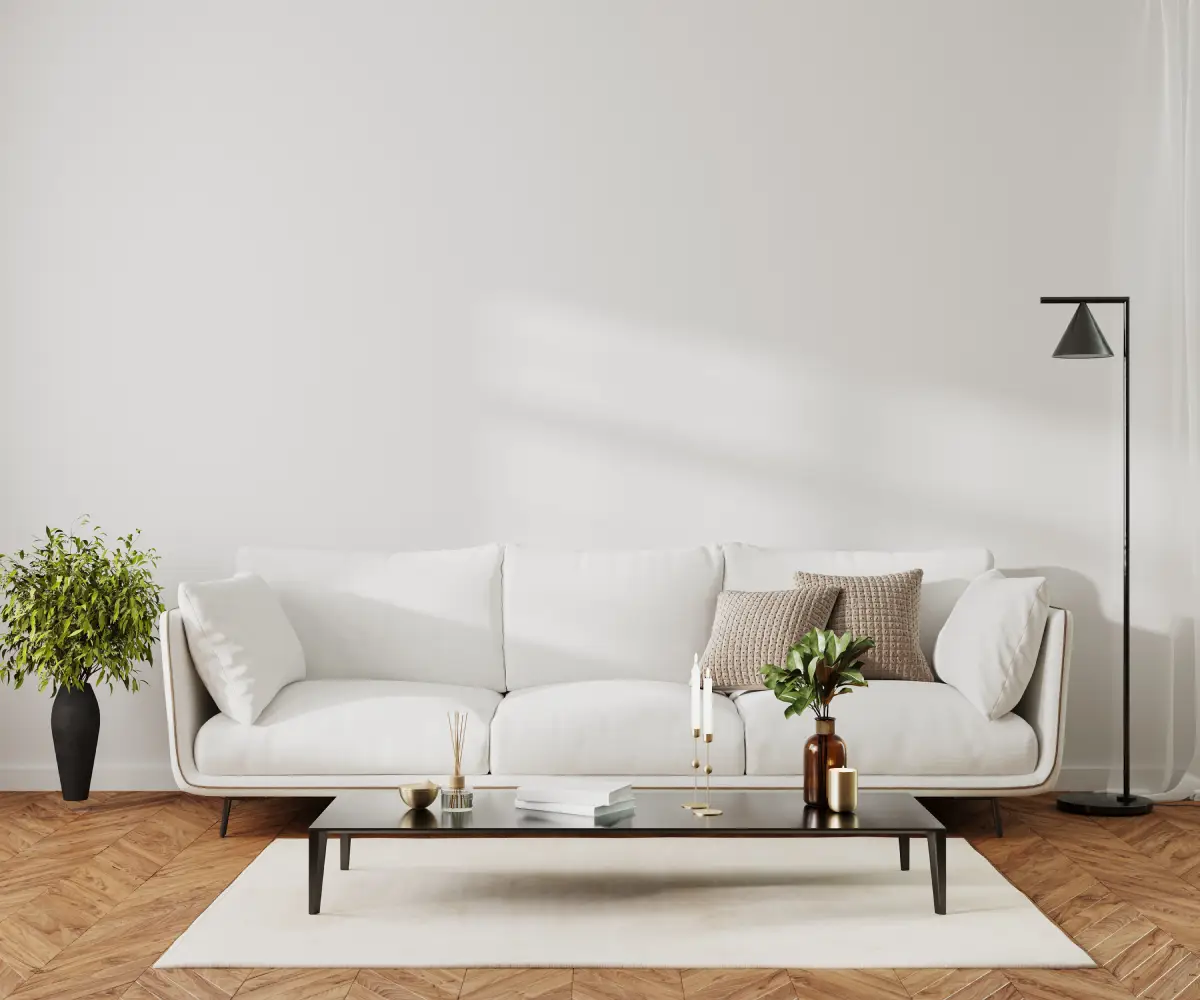
In Tulsa, rental profit strategies often start with something tenants notice instantly, how the home flows when real life kicks in. A smart layout helps renters settle into routines, share space comfortably, and picture staying longer. For investors, those same design choices can mean fewer complaints, steadier renewals, and more predictable upkeep.
This guide focuses on residential rentals in Tulsa, OK and how floor plans can better match evolving tenant expectations while supporting investor goals. You’ll find practical ways to evaluate flow, privacy, flexibility, and function, without turning your property into a construction zone.
Key Takeaways
- Favor layouts that make daily routines feel effortless for renters in Tulsa homes.
- Place bedrooms to protect privacy, reduce noise, and support shared living.
- Add flexibility so a single room can serve work, hobbies, or guests.
- Prioritize kitchen, laundry, and storage flow to cut friction and service calls.
- Match floor plan decisions to long-term investor performance and maintenance planning.
Why Layout Decisions Hit Tenant Expectations First
A floor plan shapes how tenants experience your property after the novelty wears off. When pathways are clear and rooms connect logically, renters adjust quickly and treat the space like home. When circulation feels awkward, small annoyances can pile up, and that’s when lease renewals get shaky.
Tulsa renters span a wide range, young professionals, growing families, and long-term residents who want comfort without complications. Layouts that balance togetherness and privacy tend to perform well across that mix. Investors benefit too, because better flow can reduce bottlenecks that cause faster wear in high-traffic areas.
Do a “day-in-the-life” walkthrough
Before changing anything, imagine a full day from morning to night:
- Where do shoes, bags, and coats land?
- Can two people move through the kitchen without bumping into each other?
- Does laundry noise travel into sleeping areas?
- Do guests need to pass private bedrooms to reach a bathroom?
If those answers feel clunky in your head, tenants will feel it during showings.
Open Living Spaces That Feel Defined
Open-concept living is still popular, yet renters don’t want one giant blank rectangle. They want a space that feels connected and bright, while still offering clear zones for dining, lounging, and cooking.
National construction trends back up the demand. 54% of new homes include open kitchen-to-dining arrangements, which signals ongoing preference for shared gathering space.
Make the open plan readable
An open layout works best when tenants can understand how to use it quickly. Focus on:
- Natural walkways, especially from entry to living area to kitchen
- Dining space that doesn’t block the main traffic path
- Lighting that separates “zones” without adding walls
A layout that’s easy to interpret often leases faster because renters stop asking “Where would the couch go?” and start picturing themselves living there.
Bedroom Placement That Protects Privacy
Privacy is a core tenant expectation, especially with roommates, blended families, or work-from-home schedules. Bedroom placement decides who hears what, who gets interrupted, and whether the home feels restful.
Split-bedroom layouts can be a big win in Tulsa rentals, because they separate quiet zones from social zones. Even when a split plan isn’t possible, thoughtful adjustments can improve privacy.
Small layout-friendly moves that matter
You don’t always need remodeling to improve the feel of privacy:
- Add solid-core interior doors when feasible
- Improve door latches so rooms close quietly and securely
- Use layered lighting so bedrooms don’t rely on harsh overhead fixtures
- Reduce sound transfer with rugs, curtains, and simple weatherstripping
If you’re renting a home that started as a personal residence, your experience may mirror what many owners face as accidental landlord tips become crucial for making the space tenant-ready. Privacy upgrades tend to pay off because they cut complaints that trigger early move-outs.
Flexible Rooms That Match Modern Living
A spare room used to be a “nice-to-have.” Now it’s often a deciding factor. Tenants want space that can shift between office, guest room, hobby corner, or workout zone, depending on the season of life.
This is tied to work patterns too. With 36.07 million remote part-time workers in the U.S., many renters want a space that supports focused work without taking over the dining table.
What makes a flex space actually usable?
A flexible room helps your listing stand out when it has:
- Convenient outlets in sensible spots
- Lighting that supports screen time and reading
- A door or separation from the loudest part of the house
- Neutral dimensions that work for a desk, a daybed, or storage
Avoid over-designing it. Tenants prefer rooms that let them decide the purpose.
Kitchens That Reduce Friction Every Single Day
Kitchens get used constantly, so their layout drives satisfaction more than a trendy backsplash ever will. A functional kitchen helps tenants cook, clean, and store essentials without feeling boxed in.
Focus on flow over finishes
A practical kitchen usually has:
- Clear movement between sink, stove, and refrigerator
- Counter space near prep zones
- Cabinets that open without blocking the main walkway
- A spot for trash and recycling that doesn’t interrupt the work area
Even small homes can feel efficient when the “work triangle” is respected and pathways stay open.
Laundry Placement That Doesn’t Create Noise Wars
In-unit laundry is a strong preference for residential renters, yet placement matters as much as having the machines. Laundry tucked next to a bedroom wall can turn into a constant annoyance, especially with early schedules.
Aim for separation and easy access
If you have options, laundry performs better when it’s:
- Near bedrooms, but not sharing a wall with the primary sleeping area
- Positioned so doors don’t block hallways
- Ventilated properly to reduce moisture and odors
Maintenance planning matters here too, because laundry breakdowns trigger urgent calls. A seasonal approach like weatherproofing rental plans can help prevent preventable issues that show up during temperature swings.
Storage That Makes a Home Feel Bigger
Storage is one of the fastest ways tenants judge livability. A home can have decent square footage and still feel cramped if there’s nowhere to put everyday items.
Storage upgrades that feel meaningful
Strong Tulsa rental layouts often include:
- A pantry or dedicated food storage area
- Bedroom closets that handle real wardrobes
- Linen storage near bathrooms
- An entry drop zone for keys, bags, and shoes
- Garage or shed space that doesn’t block vehicle use
You can often improve storage without major construction, adding shelving systems, closet organizers, and smarter cabinet layouts.
Layout Choices That Influence Maintenance and Costs
Floor plans can either spread wear evenly or concentrate it in a few stressed areas. Narrow hallways, awkward door swings, and tight transitions cause bumps, scuffs, and frustration.
Tenants also care about clarity. If a layout causes confusion about who’s responsible for what space, shared-living tension rises. That tension often turns into additional requests and disputes.
Tie layout decisions to your service plan
Before investing in upgrades, consider how maintenance is handled and what’s included. Owners often ask whether fees cover maintenance because layout-driven wear can shift service frequency. When you know what’s covered and how issues are managed, it’s easier to prioritize changes that reduce repeat problems.
Turning Layout Insight Into Investor-Steady Performance
A strong rental isn’t defined by trend-chasing. It’s defined by day-to-day ease. When tenants can move through the home naturally, store their belongings without clutter, and enjoy privacy when needed, renewals become more likely.
Investors benefit when floor plan choices reduce vacancy risk, limit recurring wear, and make the property easier to maintain across tenant turns. For long-term protection, it also helps to align layout decisions with risk reduction and oversight strategies like protect your investment, especially when you’re planning around durability rather than quick wins.
A quick checklist for Tulsa showings
During tours, listen for signals that the layout works:
- Tenants ask fewer “where would this go?” questions.
- They naturally pause in the living area, kitchen, and primary bedroom.
- They notice storage, not just finishes.
- They can picture a home office or flex use without your prompting.
When the space explains itself, leasing becomes easier.
FAQs about Evolving Tenant Expectations in Tulsa, OK
How can a floor plan influence renewals in Tulsa rentals?
When rooms connect logically and privacy feels protected, daily routines get easier. Tenants experience fewer ongoing frustrations, which often increases satisfaction after the first few months and supports stronger renewal decisions.
What bedroom layouts tend to work best for shared living?
Split-bedroom designs or bedrooms buffered from main living areas often reduce noise conflicts. Renters usually prefer bathrooms that don’t require walking through private spaces, which improves comfort for roommates and guests.
Do flexible rooms really impact leasing demand?
Yes, many renters want a room that can shift between office, guest space, or hobbies. A neutral flex room with good lighting and outlet placement helps households picture long-term use without renovations.
Which layout features help reduce maintenance requests?
Clear walkways, practical door swings, and durable high-traffic transitions can reduce accidental damage. Kitchens and laundry areas with enough space to move also prevent congestion that can lead to wear and breakage.
What storage improvements feel most valuable to renters?
Renters usually notice pantry space, usable bedroom closets, and entry storage first. Simple upgrades like closet systems, shelving, and better cabinet organization can make a home feel larger and more livable.
Built for Real Living, Backed by Tulsa Know-How
When a floor plan supports real routines, tenants relax, treat the home with more care, and feel comfortable staying longer. That stability supports investor goals, because fewer turnovers and fewer friction points usually mean steadier performance year after year.
If you want your Tulsa rental to run smoother without constant surprises, PMI Realty Solutions can help you stay ahead of repairs, coordinate upkeep, and protect the livability that keeps tenants satisfied. Protect your rental with us and keep your property performing like a long-term asset.
